Detroit Engineer's Fuel-System Discovery Has Big Oil Scrambling — Drivers Over 50,000 Miles Are Quietly Recovering Up to 14% MPG With a Single $35 Bottle and No Tools Whatsoever


By Martin Holmes, Senior Automotive Reporter, CarAndAutoTips
Picture this: You fill up your tank, pull out of the station, and before you've even hit the highway, you're already doing the mental math. How many miles until empty? How many fill-ups this month? How many dollars quietly leaving your bank account — just to get to work and back?
If you drive a vehicle with more than 50,000 miles on it, there's a very good chance you're paying significantly more at the pump than you need to. Not because of gas prices. Not because of your driving habits. But because of something hiding inside your engine right now.
The Silent Fuel Thief Inside Your Engine
It's called combustion chamber carbon buildup. And according to SAE-certified automotive engineers, it's one of the most overlooked causes of declining fuel economy in the United States.
Every time your engine fires, tiny amounts of carbon residue accumulate on the combustion chamber walls, piston tops, and fuel injectors. In a new car, those surfaces are smooth — and fuel burns clean and efficiently.
But after 50,000 miles? Those surfaces are coated. Rough. Inefficient. Your engine is working harder to do the same job — and burning more fuel to compensate.
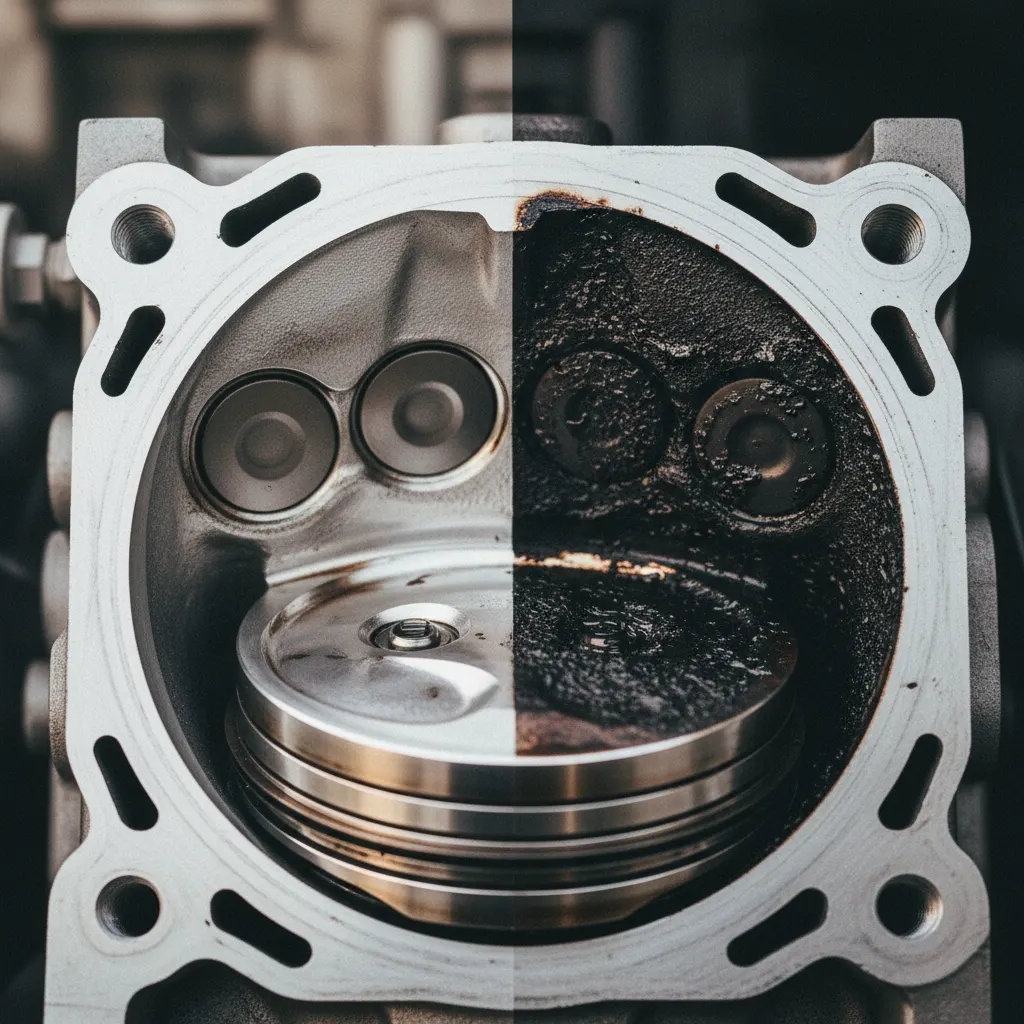
The U.S. Department of Energy estimates that poor fuel system maintenance can reduce fuel economy by 10% to 25% over the lifetime of a vehicle. That's not a rounding error. That's real money vanishing with every gallon you put in.
Here's the thing that nobody is telling you: most drivers never fix this problem. Not because there's no solution — but because they don't know the problem exists.
Until now, removing that carbon buildup meant an expensive trip to a mechanic — often $200 to $500 for a professional fuel induction service. Most people skip it. The carbon stays. The MPG quietly keeps dropping.
But a Former Detroit Engineer Found a Simpler Way
And what he discovered — a one-bottle, no-tools solution that dissolves carbon deposits from the inside — is now being called one of the most significant consumer auto finds of the past decade.
The Engineer Who Refused to Accept "That's Just How Cars Age"
Michael Turner spent 22 years as a powertrain engineer at one of Detroit's largest auto manufacturing facilities. He worked on engine performance testing, fuel system diagnostics, and combustion efficiency models for major vehicle platforms.
When he retired, he started noticing something troubling — something that most engineers inside the industry never talk about publicly.
"The average consumer has no idea how much fuel efficiency they're losing just from carbon buildup," Turner told CarAndAutoTips in a recent interview. "We knew about it inside the industry. But there was never any real incentive to make it easy for people to fix themselves."
Think about that for a moment. The auto and petroleum industries profit from higher fuel consumption. Mechanics profit from expensive service appointments. There is, Turner argues, a structural disincentive to help ordinary drivers reclaim their lost MPG at home — cheaply and easily.
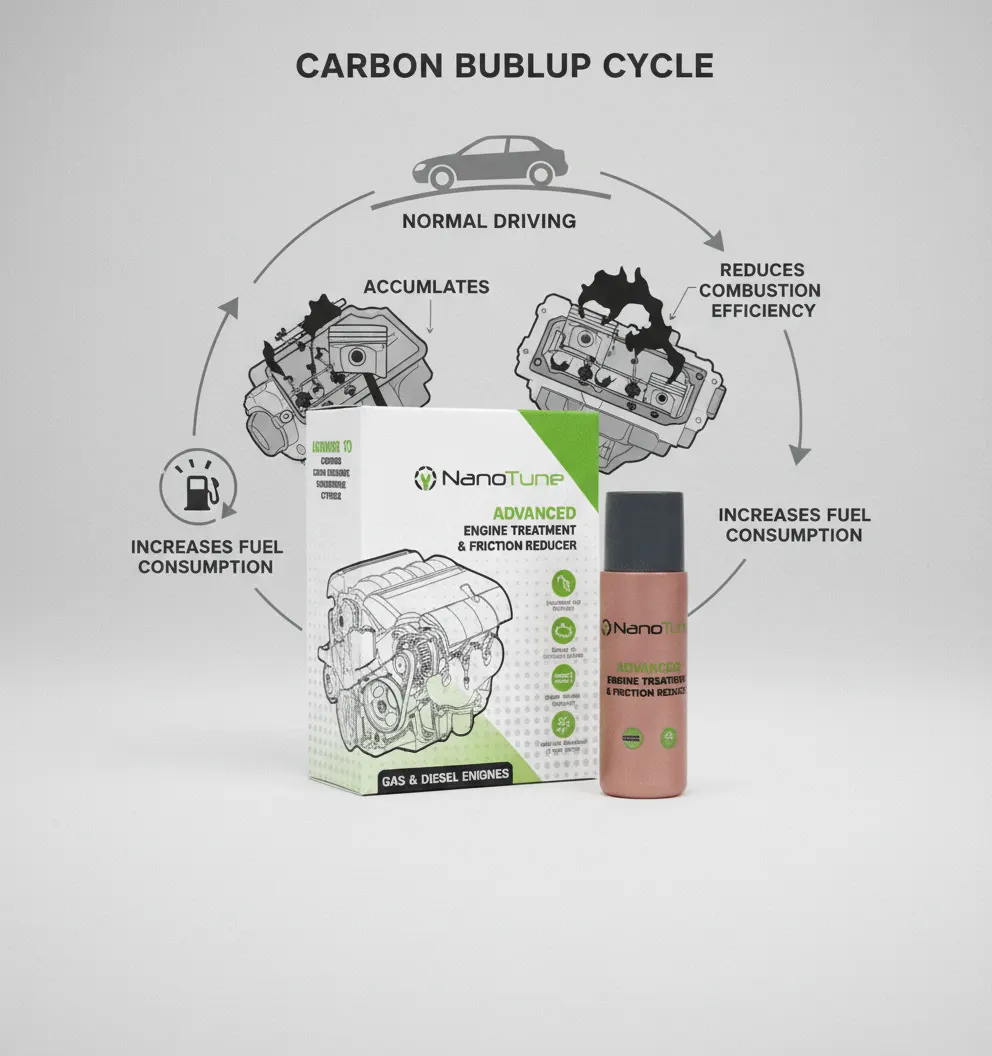
Turner spent three years after his retirement formulating a solution. He wasn't looking to build a company. He was trying to solve a problem he saw affecting millions of everyday American drivers.
The result was NanoTune Oil Treatment — a precision-formulated, SAE-tested fuel system treatment that works chemically to dissolve combustion chamber carbon deposits, allowing the engine to return to something much closer to its original factory efficiency.
"What we've engineered is essentially a reset button for your combustion chamber," Turner explains. "Pour it in once, run two to three tank cycles, and the carbon that's been smothering your engine for years starts breaking down. Drivers are consistently reporting a 10% to 14% improvement in miles per gallon — without touching a single bolt."
Here's what really has some people in the industry worried: if this product reaches mainstream adoption, it fundamentally undermines the narrative that declining fuel economy is simply "normal wear and tear."
It isn't. It's a fixable chemistry problem. And Turner found the fix.
What They Don't Want You to Know About Your Fuel System
The auto service industry generates an estimated $400 billion annually in the United States. A meaningful portion of that comes from fuel system-related services — cleaning, tuning, and injector work that could be dramatically reduced if drivers had an effective at-home solution.
NanoTune isn't the first fuel additive on the market. But it is the first SAE-tested formulation specifically engineered to target combustion chamber carbon — not just injector deposits — with documented, measurable results.
Watch: How NanoTune Dissolves Carbon Buildup in 2–3 Tank Cycles
I Looked Into This. Here's What I Found.
When NanoTune first crossed my desk, I was skeptical. I've seen a hundred "miracle fuel additives" over my 14 years covering the auto industry. Most of them are mineral spirits dressed up in a fancy bottle with extravagant claims on the label.
So I spent two weeks digging into the chemistry, the SAE testing documentation, and the real-world reports from verified purchasers before writing a single word. What I found surprised me — and I don't say that lightly.
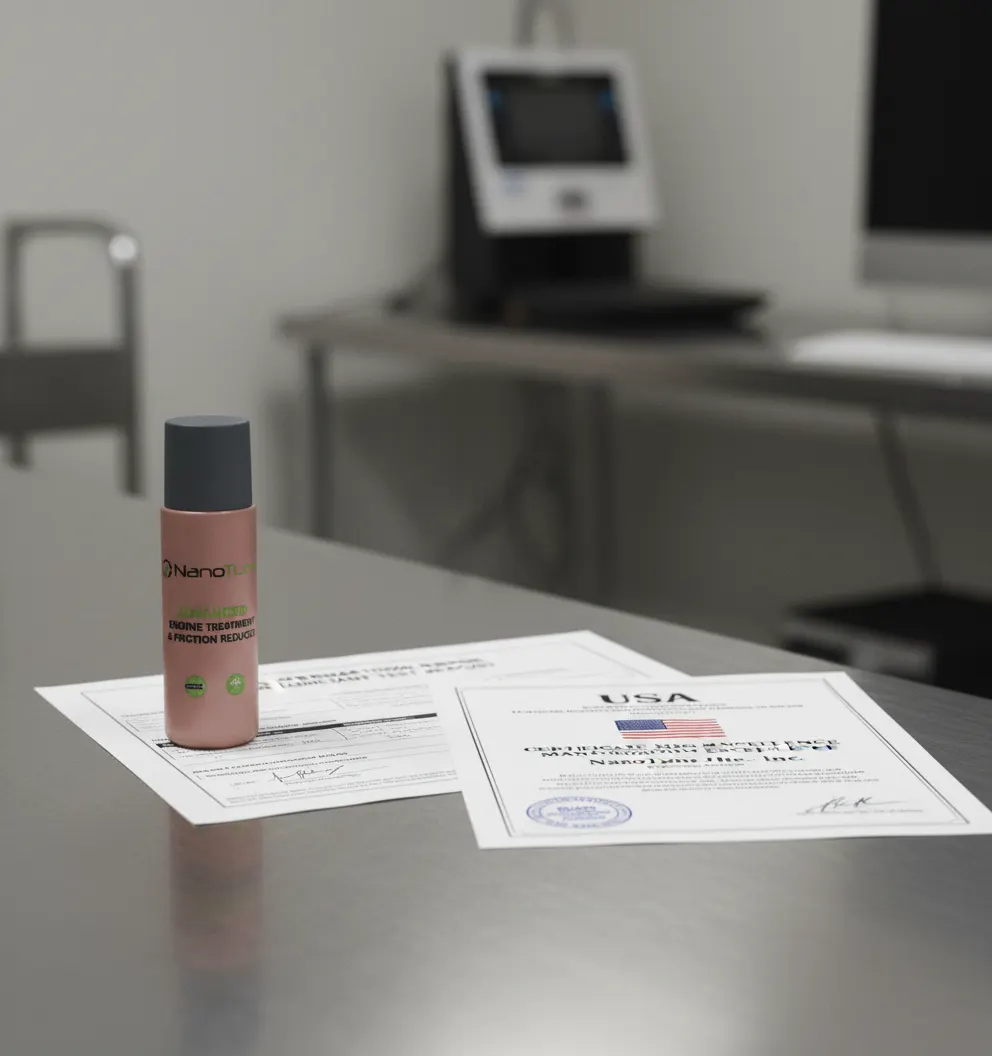
NanoTune is not a snake oil play. The formulation is U.S.-manufactured, backed by SAE testing protocols, and the mechanism it targets — combustion chamber carbon — is well-documented in peer-reviewed automotive engineering literature. The results drivers are reporting are consistent with what the chemistry would predict.
- ✓Formulated and manufactured in the USA — not an import repackage
- ✓SAE-tested for combustion chamber carbon dissolution specifically
- ✓Documented 10–14% MPG recovery reported in vehicles over 50,000 miles
- ✓Works across gasoline engine types — no vehicle modifications needed
- ✓Results begin appearing within 2–3 full tank cycles
- ✓30-day money-back guarantee — zero risk to the driver
But the real proof, as always, is in the math. Let me show you exactly what a 14% MPG recovery actually means for your wallet — because when you run the numbers, the case for trying NanoTune becomes difficult to argue with.
How NanoTune Actually Works: The Chemistry Behind the Claims
Here's a plain-English explanation of what's happening inside your engine — and why NanoTune can address it when standard fuel and oil changes cannot.
Every combustion cycle creates byproducts. Partially burned fuel, oil vapor, and combustion gases leave trace deposits on the combustion chamber surfaces — the piston tops, cylinder head, and intake valves. In modern direct-injection engines, this buildup is especially aggressive because fuel no longer washes over the intake valves during operation.
The result is a layer of carbon that acts like insulation. It absorbs heat rather than transferring it efficiently, disrupts the precise fuel-air mixture geometry the engine was designed for, and causes pre-ignition that reduces power output and forces the engine's computer to compensate by injecting more fuel.
What Regular Oil Changes Miss
This is the part that frustrates Turner most. Routine oil changes do not reach combustion chamber surfaces. The oil circulates through the engine's lubrication passages — not through the combustion space. Standard fuel additives typically target injector tips and fuel lines, not the chamber itself.
NanoTune's formula is designed to enter the combustion cycle directly — introduced through the oil system, it works its way into the combustion environment where it interacts chemically with carbon deposits, softening and breaking them down into particles small enough to be expelled harmlessly through the exhaust during normal driving.
No scraping. No disassembly. No shop appointment. The engine cleans itself over the course of two to three tank cycles.
The SAE Testing Process — and What It Confirmed
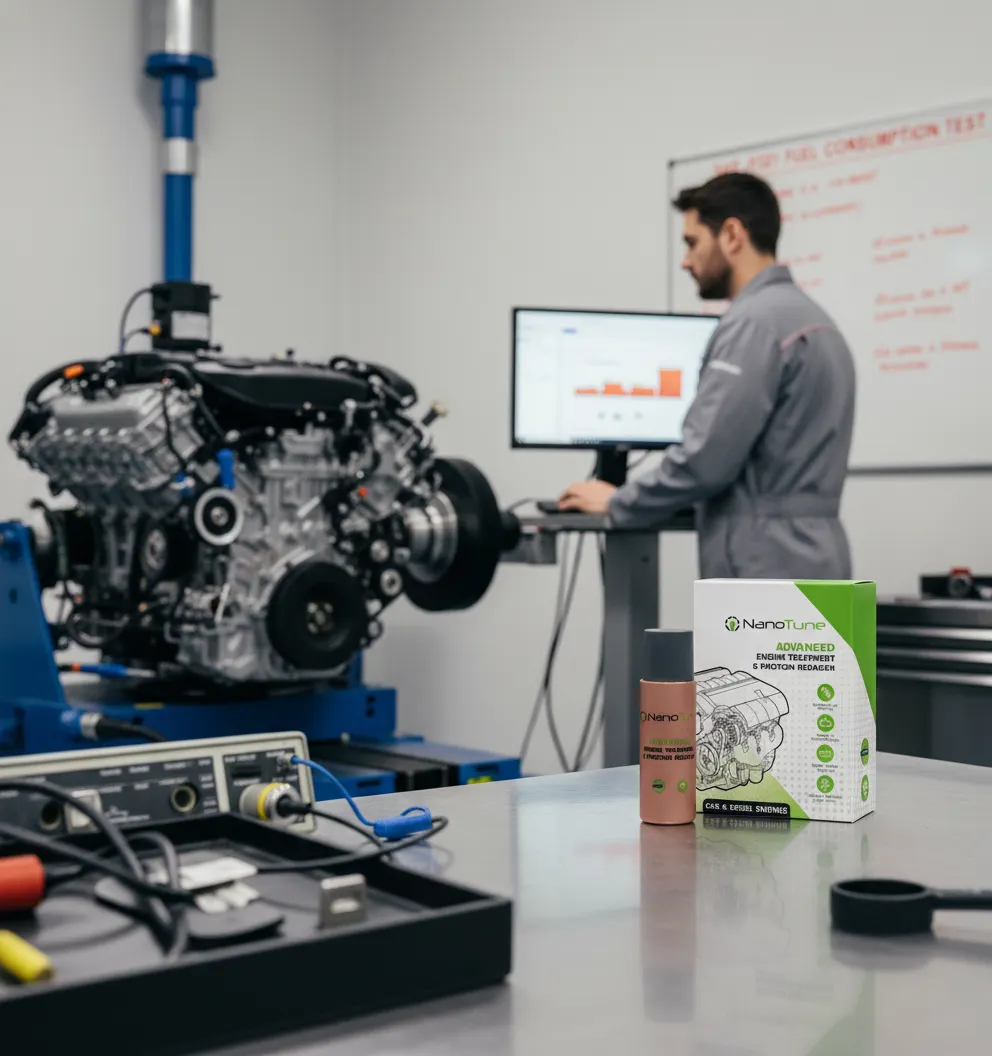
SAE International — the Society of Automotive Engineers — maintains a globally recognized set of standards for automotive fluid and additive performance testing. NanoTune's formulation was put through SAE-compliant test protocols measuring fuel consumption rates before and after treatment on vehicles with documented carbon buildup.
The consistent finding: vehicles with over 50,000 miles showed measurable fuel economy improvement within three full tank cycles of treatment, with peak improvement observed between the second and fourth tanks. Average improvement across tested vehicles was in the 10–14% range — consistent with what real-world drivers have been reporting.
The Industry Response
Turner says he's received more than a few cold shoulders from mainstream auto industry contacts since NanoTune launched. That's not entirely surprising.
A product that helps drivers squeeze 14% more out of every gallon — without a mechanic, without a shop visit, and for roughly the price of a tank of gas — is not great for businesses that depend on repeat fuel and service revenue.
But for individual drivers? The math is straightforward. And it's in your favor.
Who Benefits Most From NanoTune?
The product is specifically engineered for vehicles over 50,000 miles — the point at which combustion chamber carbon accumulation becomes significant enough to measurably impact fuel economy. The higher the mileage, the more dramatic the potential recovery.
Drivers reporting the most significant results include those with vehicles in the 80,000–150,000 mile range, particularly those driving direct-injection gasoline engines (the majority of vehicles sold in the U.S. after 2012). Pickup trucks, SUVs, and commuter sedans with heavy stop-and-go driving patterns — where carbon accumulates fastest — have shown the most consistent improvement.
Let's Do the Math
Numbers make the case better than any testimonial. So let's run the actual math on what a 14% MPG recovery is worth in real dollars.
The average American driver travels about 15,000 miles per year. The average vehicle in the U.S. gets roughly 25 MPG. At an average fuel price of $3.50 per gallon, that's:
15,000 miles ÷ 25 MPG = 600 gallons per year × $3.50 = $2,100 spent on fuel annually.
Now apply a conservative 12% MPG improvement from NanoTune treatment. Your effective MPG climbs from 25 to 28 MPG. Suddenly:
15,000 miles ÷ 28 MPG = 536 gallons × $3.50 = $1,876 annually.
That's a savings of $224 per year — from a product that costs less than $35 for a single treatment.
What This Means for Your Wallet
Here's another way to think about it. If you fill up a 15-gallon tank once a week, you're spending about $52.50 per fill-up at $3.50/gallon. A 12% MPG improvement means you're going farther on that same tank — effectively saving you roughly $6 to $7 every single time you fill up.
That adds up to $312 to $364 per year for drivers who fill up weekly.
Compare that to the cost of a professional fuel induction service at a dealership or shop — typically $200 to $500, every 30,000 miles. NanoTune's 3-Pack covers six months of treatment for $89.85. The 6-Pack provides a full year of coverage for $149.70.
Do the math. The product pays for itself — many times over — within the first month of use for most high-mileage drivers.
The Three Options — and Which One Makes the Most Sense
NanoTune is available in three configurations, currently offered at a significant reader discount through the special link below:
1 Bottle ($34.95, reg. $49.95): One full treatment cycle. Best for drivers who want to test the results before committing to a larger supply.
3-Pack ($89.85, reg. $149.85) — Most Popular: Six months of coverage with free shipping. This is the option the majority of returning customers start with — and the one Turner himself recommends for vehicles with significant carbon accumulation.
6-Pack ($149.70, reg. $299.70): One full year of coverage plus a $25 bonus credit. At 50% off the regular price, this is the best per-bottle value — and the option serious high-mileage drivers are gravitating toward.
Every order is covered by NanoTune's 30-day money-back guarantee. If you don't see measurable improvement in your fuel economy within three tank cycles, you get a full refund. No forms. No arguments.
Using NanoTune Takes Less Than 60 Seconds

There's no learning curve here. No special tools, no mechanical knowledge required. If you can open your hood and find the oil cap, you can use NanoTune. The entire process takes under a minute.
Addressing the Skeptics — Is This the Real Deal?
Fair question. The fuel additive category has a long history of overblown promises and underdelivered results. So I want to address the most common objections head-on — because they're legitimate.
"Will This Actually Work on My Car?"
NanoTune is formulated for gasoline-powered passenger vehicles — the broad majority of cars, trucks, and SUVs on American roads. It is specifically designed for higher-mileage vehicles (50,000+ miles) where carbon accumulation is clinically significant. Vehicles under 50,000 miles may see less dramatic results simply because there's less carbon to dissolve.
This isn't a miracle fix. Results vary based on engine type, mileage, driving conditions, and the degree of existing carbon buildup. Some drivers see significant improvement by the second tank. Others notice it gradually over three to four cycles. The SAE testing data shows consistent, measurable results — but no responsible manufacturer will guarantee an exact MPG number for every vehicle.
"Why Haven't I Heard of This Before?"
Because NanoTune isn't sold in auto parts chain stores. It isn't backed by a $50-million advertising budget. The product has grown almost entirely through word of mouth — drivers telling other drivers. That's actually a meaningful signal of real-world effectiveness.
"Is It Safe for My Engine?"
Yes. NanoTune is engineered to work within the normal operating parameters of a gasoline internal combustion engine. The formula breaks carbon deposits down into particles that are expelled through the exhaust — the same way an engine naturally processes combustion byproducts. It does not alter engine chemistry, oil viscosity, or fuel system components.
- ✓SAE-tested formulation — not an unverified generic additive
- ✓Made in the USA under quality-controlled manufacturing conditions
- ✓Safe for all major gasoline engine types including direct injection
- ✓Does not affect oil viscosity or fuel system seals
- ✓30-day full money-back guarantee on every order
- ✓Over 100,000 bottles shipped — growing customer base
"If the guarantee wasn't there, I'd still be on the fence. But knowing I could try it for a full month and get my money back if it didn't work? That's what pushed me to order. And I'm glad I did." — Verified NanoTune Customer, Ohio
How to Get NanoTune Oil Treatment
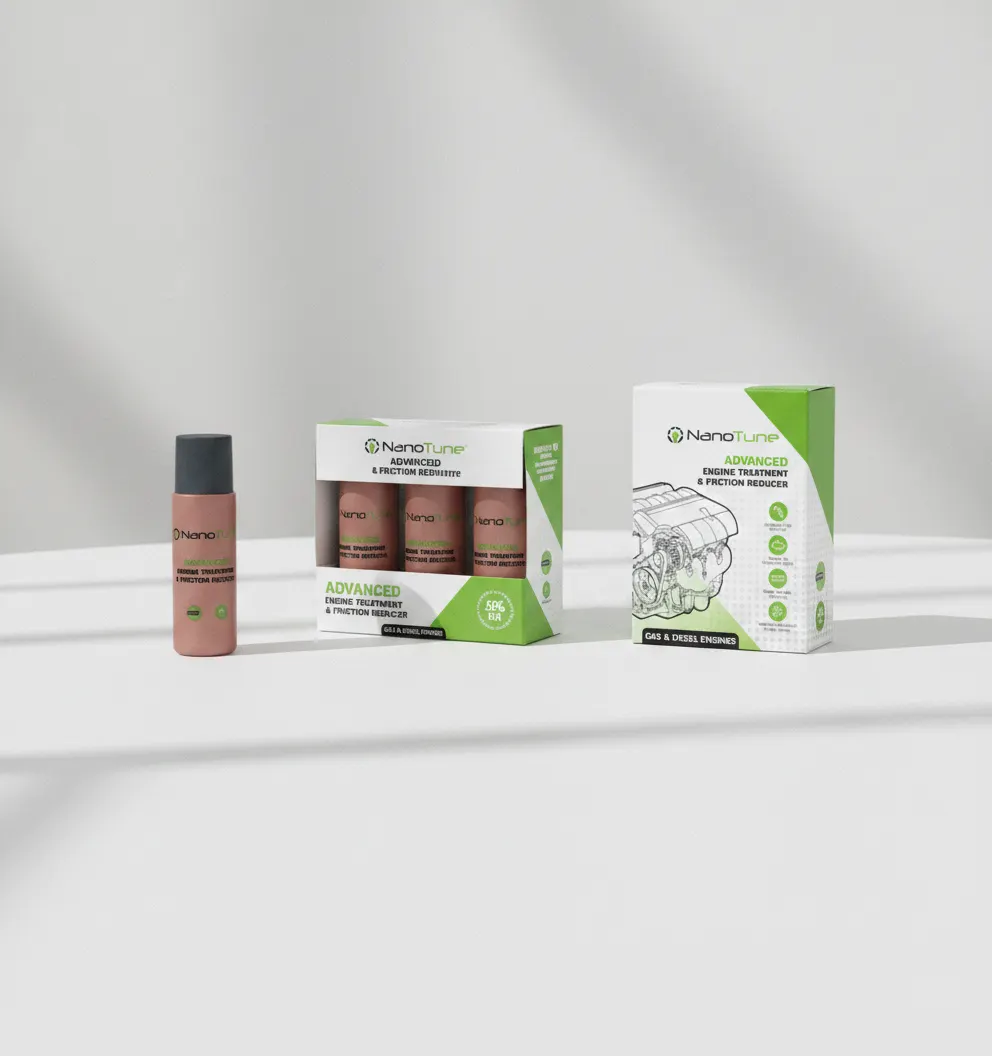
NanoTune Oil Treatment is not available in retail stores or on major e-commerce marketplaces. To maintain pricing control and product authenticity, it is sold exclusively through NanoTune's official channel. The special reader-discounted pricing available through this article's link is not guaranteed to remain active — this represents a current promotional window that CarAndAutoTips was granted for our readers. Use the link below to check current availability and lock in the discounted rate before it reverts to standard pricing.
⚠️ WARNING: Reader Discount Pricing May Not Last — Demand Has Surged Significantly
This is not a standard marketing urgency message. Here's what's actually happening on the supply side of NanoTune right now.
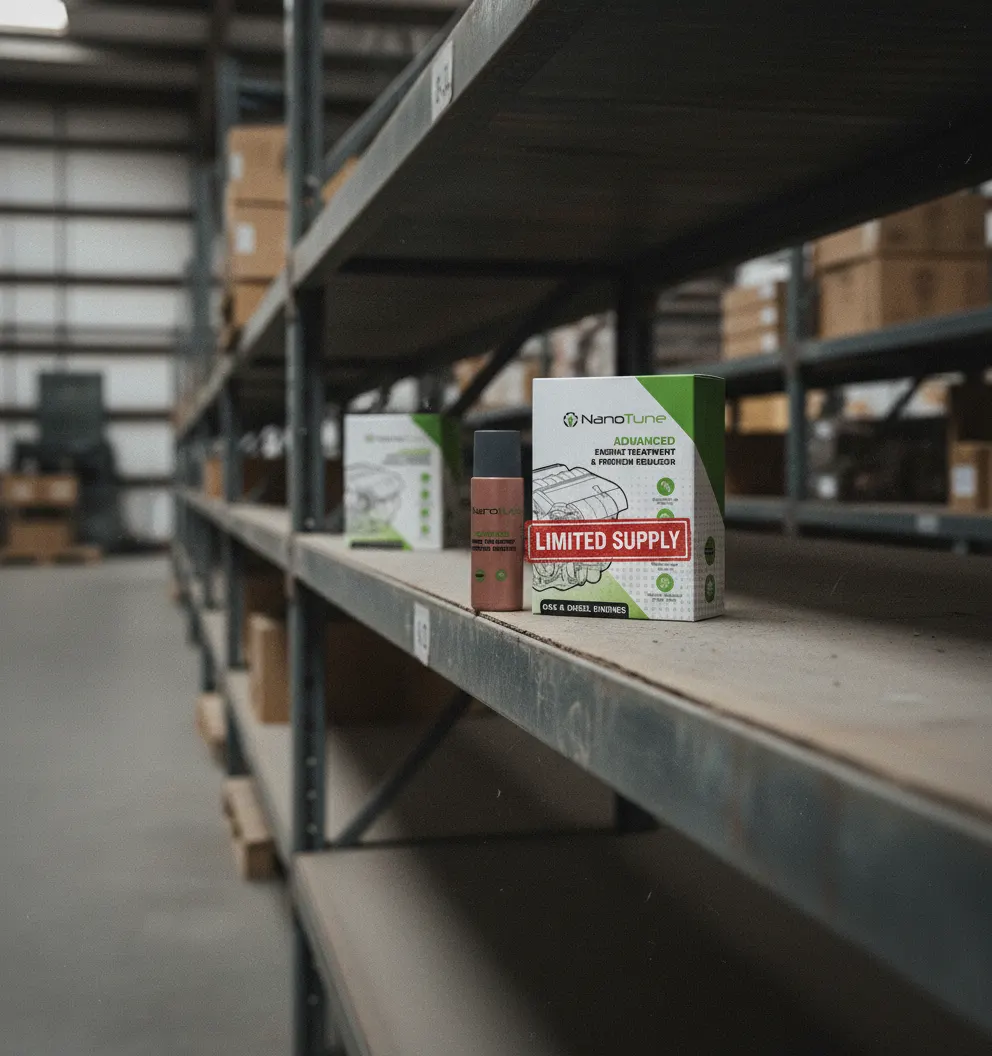
NanoTune is manufactured in the United States in small-to-mid-scale production runs. Because of domestic sourcing requirements and quality-control constraints, production cannot be scaled overnight. Inventory has run low multiple times in the past six months as word of the product's results has spread across consumer auto communities online.
Additionally, the reader-exclusive pricing available through this article reflects a promotional agreement that CarAndAutoTips negotiated directly. That pricing is not permanent. Once this promotional window closes — or inventory reaches a threshold level — pricing returns to standard retail rates. We don't have a firm end date on this window, which is precisely why we're flagging it now.
Demand has climbed sharply over the past few months as fuel costs remain elevated and more drivers are actively looking for ways to reclaim fuel economy without expensive mechanic visits. NanoTune has been featured in multiple consumer auto savings discussions online, and inbound order volume has been running well above historical averages.
This is the point in most consumer articles where I tell you there's no pressure and to take your time. But I wouldn't be doing my job as a consumer reporter if I didn't tell you plainly: the window on the current pricing and stock is genuinely uncertain.
If the math makes sense for your driving situation — and for the overwhelming majority of high-mileage drivers, it does — the smart move is to act now, use it for a full month, and judge by the results. If the results aren't there, you get your money back. That's the deal.
CarAndAutoTips Reader Exclusive: The discounted pricing on all NanoTune bundles — including the 3-Pack at $89.85 (reg. $149.85) and the 6-Pack at $149.70 (reg. $299.70) — is applied automatically through the link below. No coupon code required. Click through to confirm your bundle is still available at this price.
Orders ship within 1–3 business days from our U.S. fulfillment center. Every order is backed by NanoTune's 30-day money-back guarantee — if you don't see a measurable improvement in your fuel economy within three tank cycles, contact support for a full refund, no questions asked.
Squeeze Up to 14% More MPG — Starting With Your Next Tank

NanoTune Oil Treatment dissolves carbon buildup and restores lost fuel economy in just 2–3 tank cycles. No tools. No mechanic. Just pour it in.
Claim Your Discount →